




Yoga and Movement - Why Every Body Deserves to Keep Moving
Every year on June 21st, millions of people across India and the world mark International Yoga Day. Parks fill up, studios open their doors, and social media overflows with images of people in poses that look effortless and serene. It's a beautiful celebration - but for elderly individuals, wheelchair users, and people with mobility limitations, it can also feel like a world that wasn't designed with them in mind.
It was.
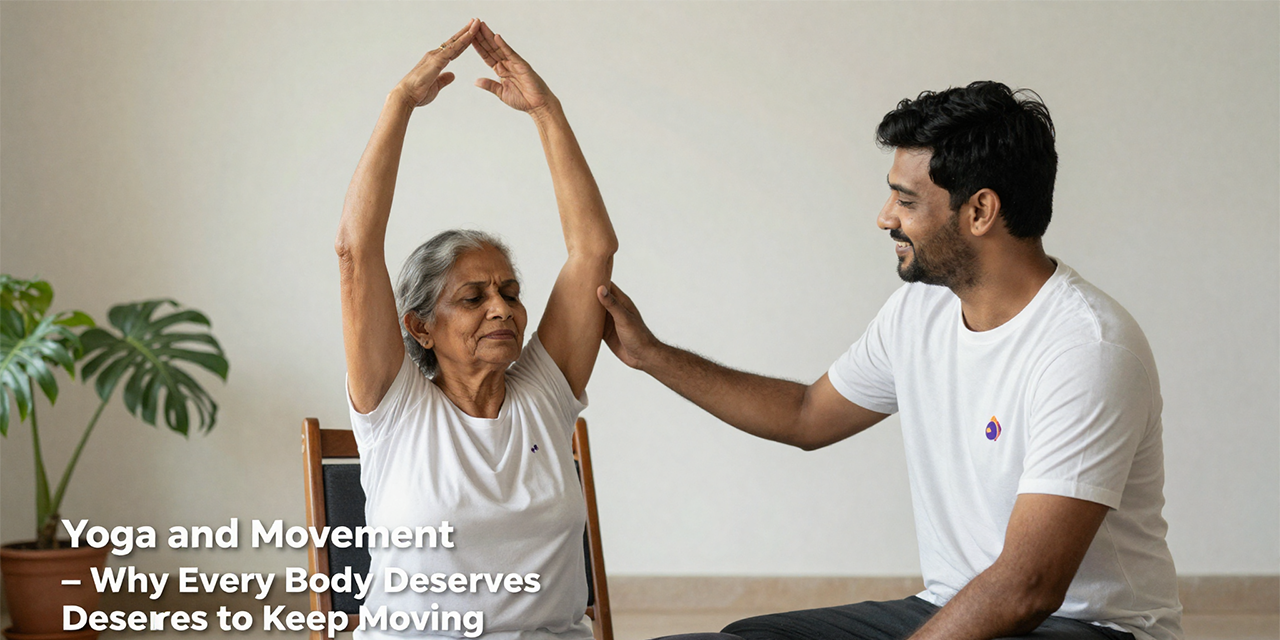
Yoga, at its core, has nothing to do with flexibility or fitness levels. It is about breath, awareness, and connection between mind and body. And that is available to every body — regardless of age, ability, or physical condition.
The Misconception That Keeps People Away
The biggest barrier to movement for people with mobility challenges isn't physical. It's the belief that movement is only valid if it looks a certain way.
That a yoga practice only counts if you can touch your toes. That exercise is only worthwhile if you can do it standing up. That physical activity is for people who are already well, already mobile, already capable.
None of that is true — and the science agrees.
According to the World Health Organization (https://www.who.int/news-room/fact-sheets/detail/physical-activity), adults over 65 benefit significantly from any amount of physical activity, including light movement, stretching, and balance exercises. Even chair-based movement reduces the risk of falls, improves cognitive function, slows muscle loss, and has measurable positive effects on mental health and mood.
Yoga for Every Ability Level
The beauty of yoga as a movement practice is how adaptable it is. Almost every yoga posture has a modified version that can be done seated, supported, or with reduced range of motion.
Chair yoga, for instance, has become one of the most widely practiced forms of adaptive movement for elderly individuals and wheelchair users globally. It involves performing breathing exercises, gentle stretches, and mindful movement from a seated position — delivering many of the same benefits as traditional yoga without requiring floor-based movement or balance that may not be safe.
Key benefits of chair yoga and adaptive movement for elderly and mobility-limited individuals include:
- Improved joint flexibility and reduced stiffness, particularly in the shoulders, hips, and spine
- Better breathing capacity through pranayama and breath-focused exercises
- Reduced chronic pain — particularly relevant for those managing arthritis, back conditions, or post-surgical recovery
- Improved circulation and reduced risk of blood clots for those who spend long periods seated
- Stronger sense of body awareness, which directly reduces fall risk
- Mental health benefits including reduced anxiety, better sleep, and improved mood
The Ministry of Ayush (https://yoga.ayush.gov.in), which organises India's national International Yoga Day programmes, has in recent years specifically incorporated adaptive yoga sequences for elderly individuals and people with disabilities — a recognition that the practice truly belongs to everyone.
Starting a Movement Practice — Practical Guidance
For elderly individuals or wheelchair users in Mumbai who want to begin incorporating yoga or movement into their daily routine, a few practical starting points:
- Begin with breath. Simple diaphragmatic breathing done while seated is yoga. It costs nothing, requires no equipment, and has immediate calming effects on the nervous system.
- Look for adaptive yoga classes. Several yoga centres in Mumbai now offer chair yoga or senior-specific classes. The Indian Yoga Association (https://www.indianyogaassociation.org) maintains a directory of certified teachers across India.
- Use online resources. YouTube has a significant library of chair yoga and adaptive movement content specifically designed for elderly practitioners and wheelchair users. Searching "chair yoga for seniors India" will surface several free, well-guided options.
- Keep sessions short to start. Ten to fifteen minutes of gentle movement daily is more valuable than one long session once a week. Consistency matters more than duration.
- Consult a physiotherapist first if managing a specific condition. A physiotherapist can advise which movements are safe and appropriate given your specific health situation.
Movement Is Not a Reward for Good Health — It's Part of Creating It
There is a tendency to treat physical activity as something that happens after you're well, after you're recovered, after things are better. But movement is part of getting there — and staying there.
For elderly individuals managing chronic conditions, for wheelchair users navigating daily life, for anyone whose mobility is limited in any way, maintaining some form of regular movement is one of the most powerful things they can do for their long-term health and quality of life.
How MobiCrew Supports an Active Life
Staying active requires more than intention — it requires practical support. Getting to a yoga class, a park, a physiotherapy appointment, or simply going for a morning walk with someone present for safety all require logistics that can feel overwhelming without help.
MobiCrew provides trained mobility companions in Mumbai who accompany individuals on exactly these kinds of outings — making it easier to stay active, stay connected, and keep moving in ways that feel good and safe.
- Book a mobility companion for your daily movement: https://mobicrew.com/mobility-booking
- Browse mobility aids that support an active lifestyle: https://mobicrew.com/products/
This International Yoga Day, the most important thing is not the pose. It's the decision to move — in whatever way your body allows, at whatever pace feels right. That decision belongs to everyone.
Related
-
More Than Care: The Power of Companionship in Mobility Support**
-
The New Era of Help for People with Disabilities: From Support to Strength
-
What to Do When Elderly Parents Refuse Help: A Companion Care Approach
-
Where to Find Affordable Home Care Equipment in Mumbai for Elderly
-
Benefits of Hiring a Companion for Elderly Care in Mumbai